
Collaborating to find long-term solutions to feral ungulate mediated declines in top end wetlands
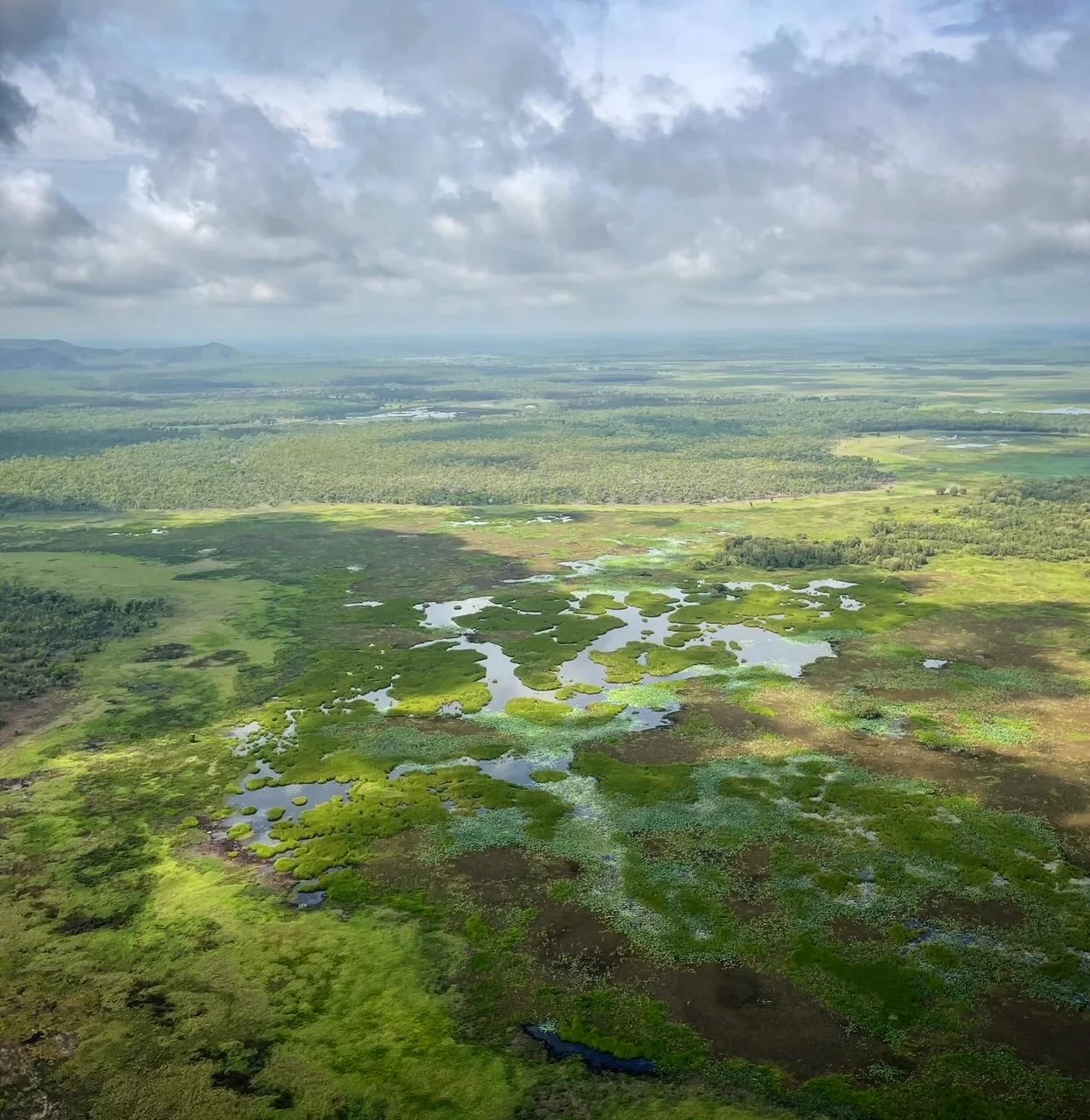
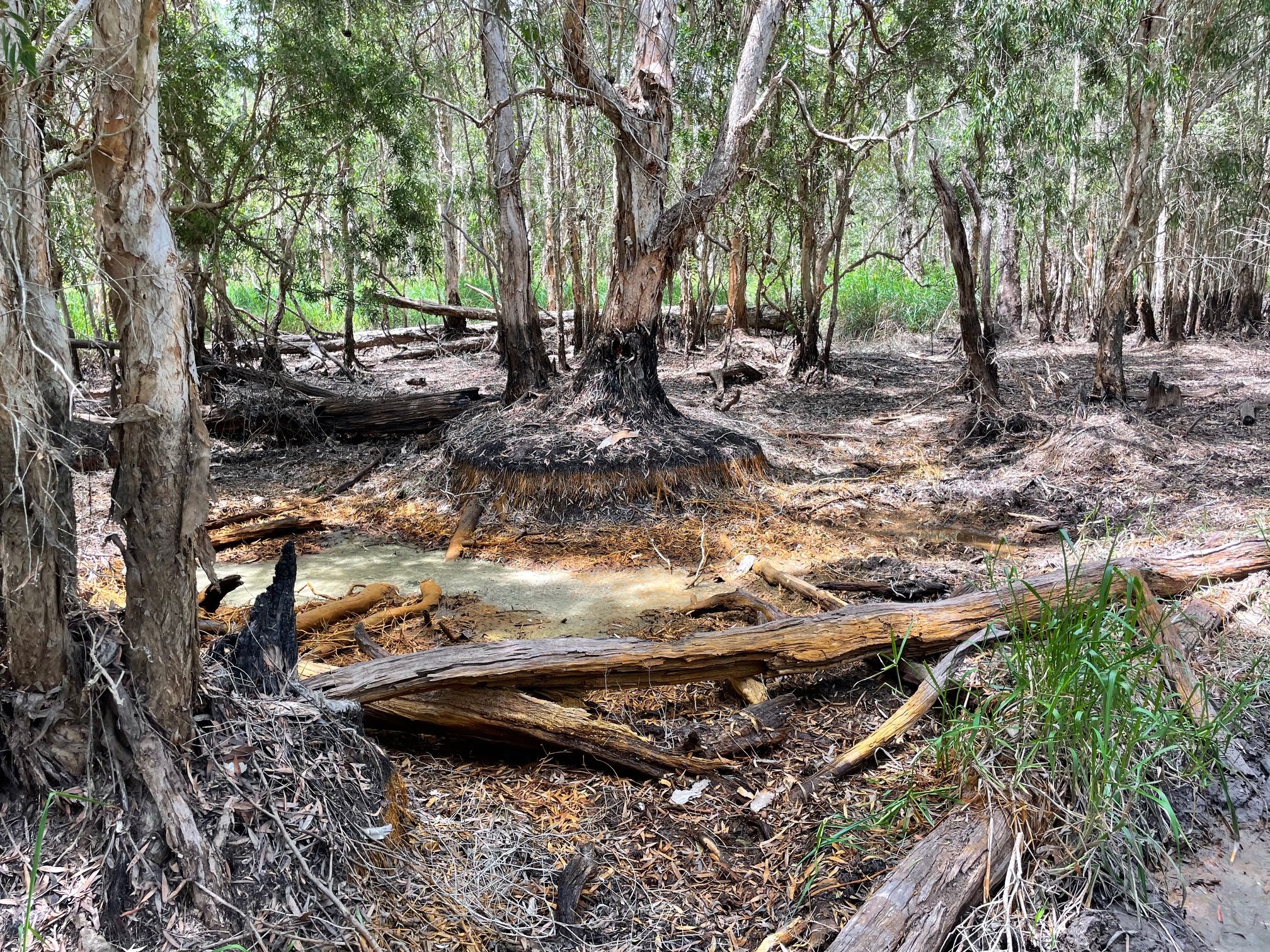
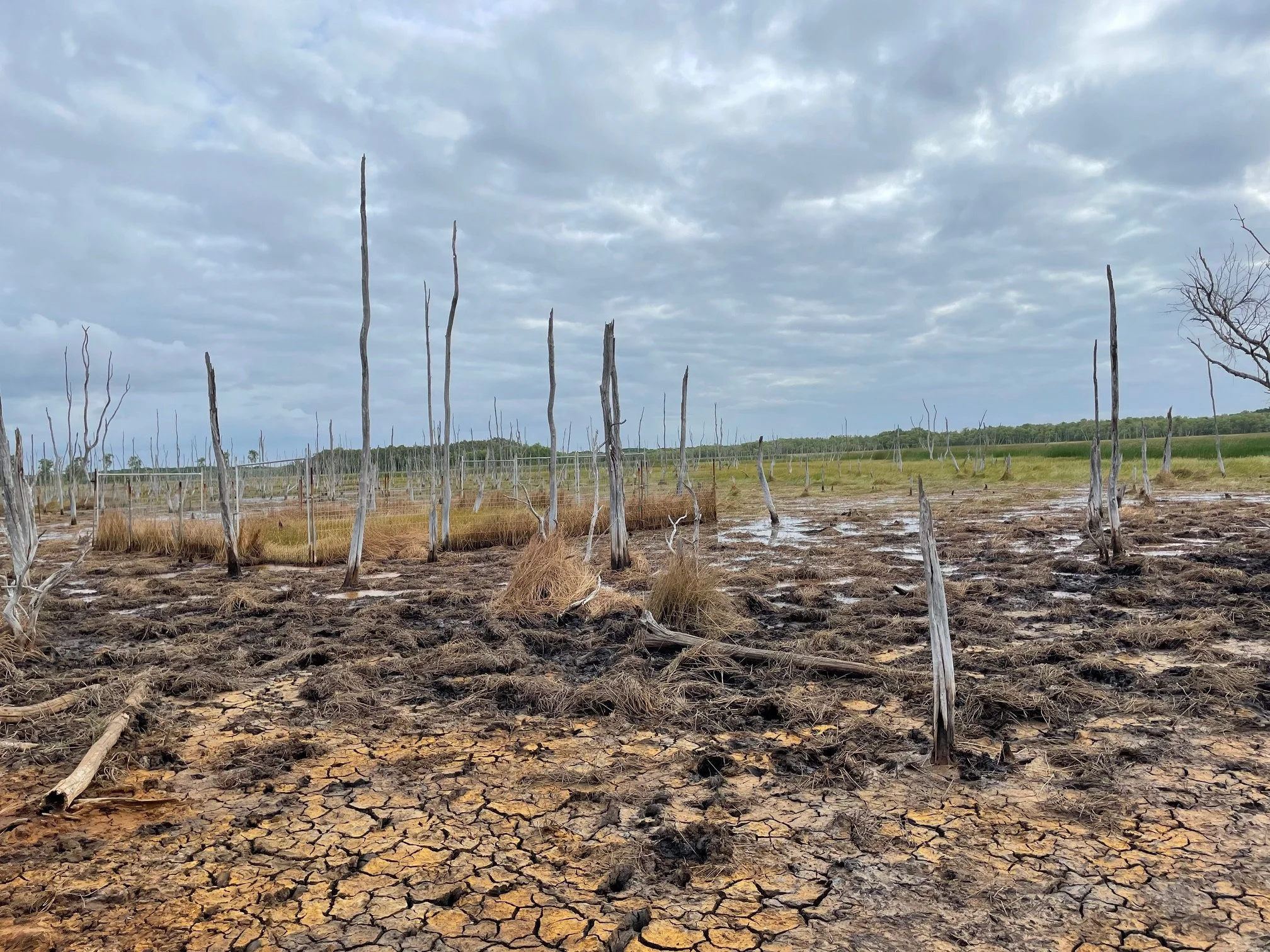
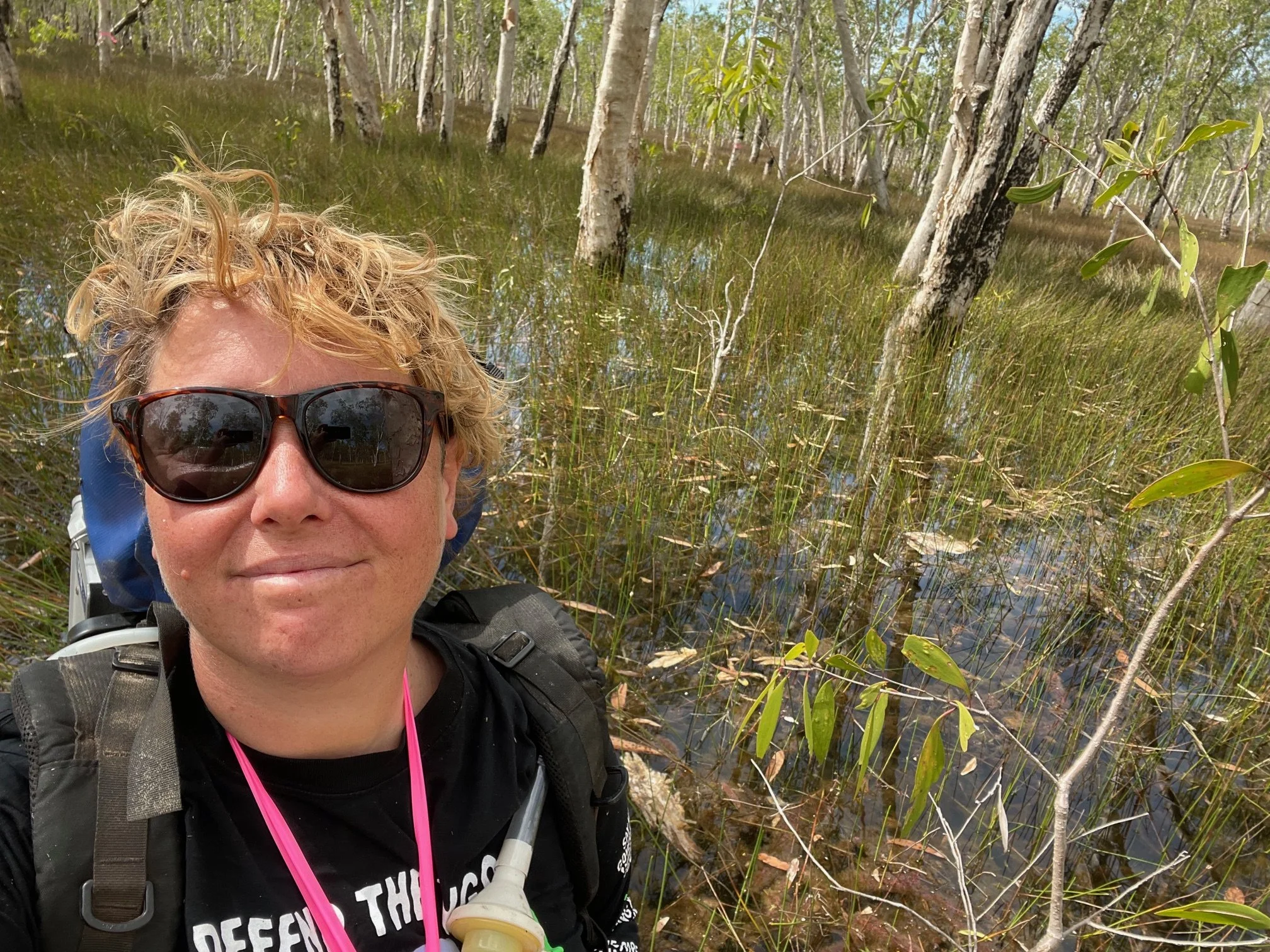
With colonisation has come a range of new species. The ungulates (or animals with hooves) were a type of animal unseen or heard of on this continent until they were transported here as companion, stock and draught animals. Through a range of processes - active introduction, escapees from managed herds - these hooved animals now find themselves outside of domestic stock management, creating large and damaging feral populations across Australia. Kuril & Currawong are supporting on a large, multi-region collaborative project to monitor the impacts of feral ungulates, learn what Indigenous land managers need to control their numbers and heal Country, then advocate for long-term market-based solutions to support them.
This project has a long list of collaborators including The University of Queensland, Charles Darwin University, NAILSMA, Laynhapuy Homelands Aboriginal Corporation, Wunamba Gaambera Aborginal Corporation, Kakadu National Park and the Bininj Traditional owners of its northern floodplains including the Daluk Women’s Ranger unit, Juunjuwarra Aboriginal Corporation.
Kuril & Currawong engage in this project in two ways - a part-time Post Doctoral position held by Dr Renee Rossini within the Lovelock lab at The University of Queensland, and as a contractor to support Charles Darwin University and specific needs of Aboriginal partner organisations. We support this project by:
Providing additional contractor support for elements of the project that require expert advice and field support
Writing a homeland specific analysis of long-term trends in feral ungulate impacts, and correlates of decline and recovery in populations of the Magpie Goose
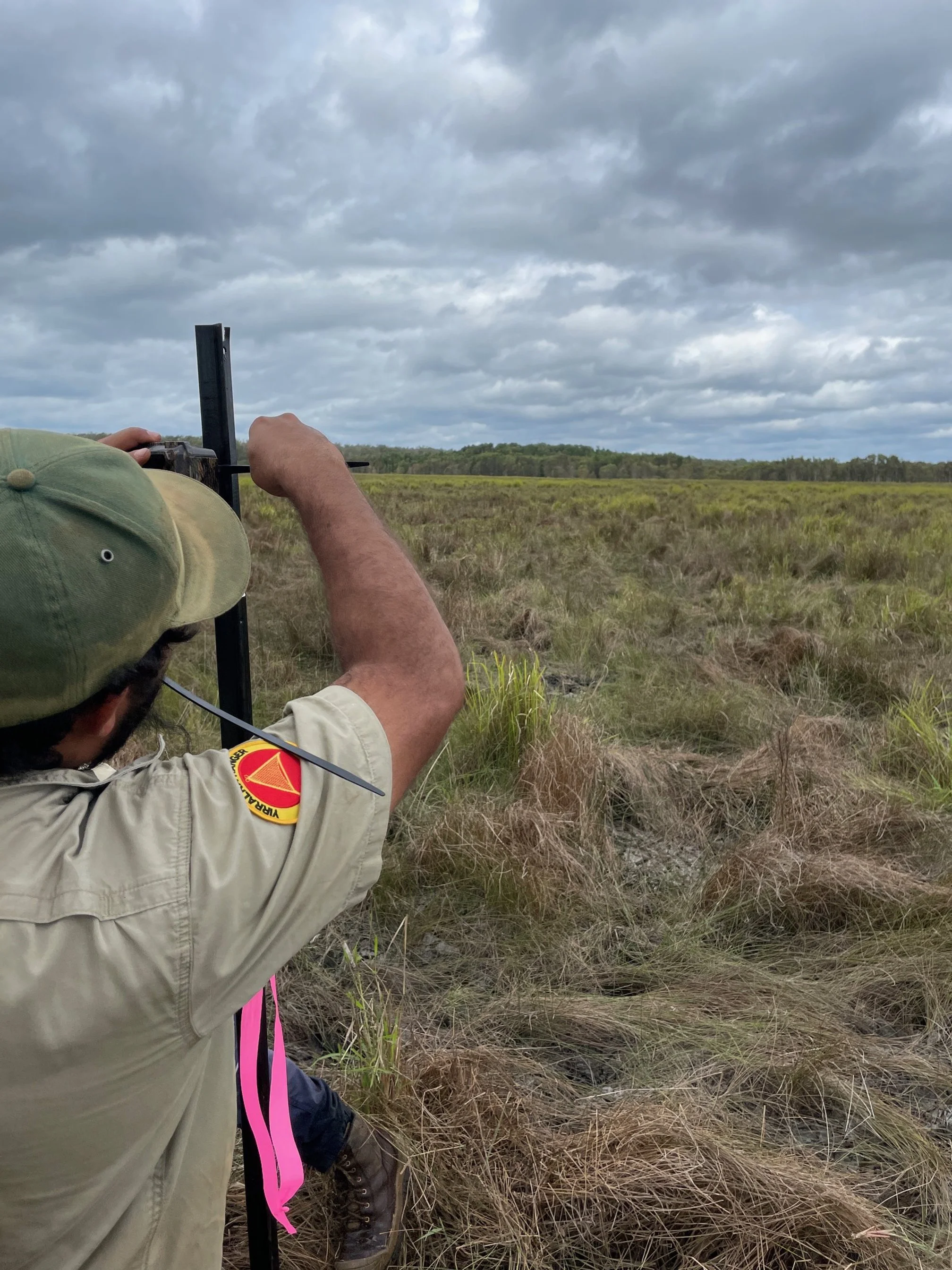
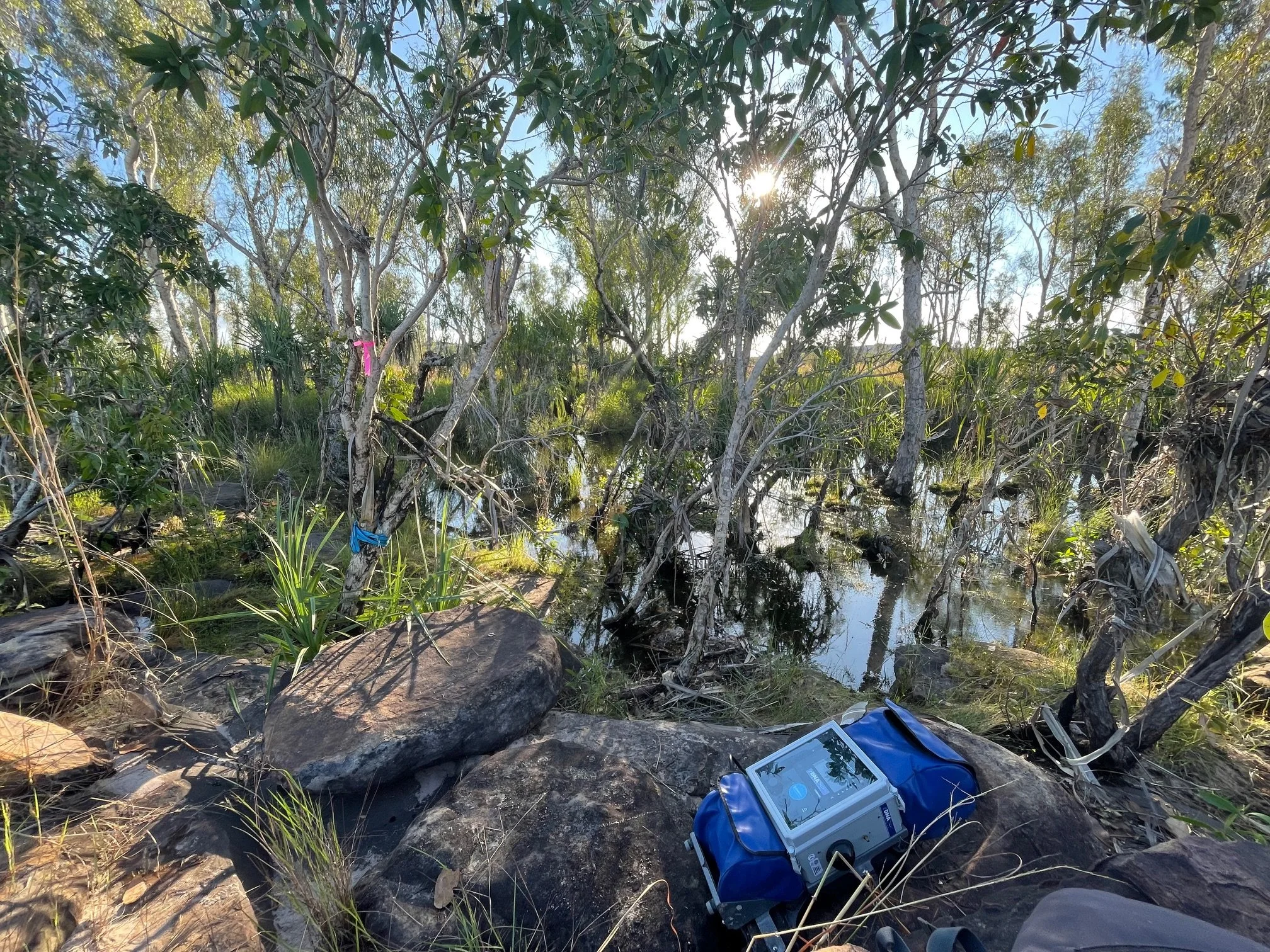
Training machine-learning algorithms for detection of feral ungulates on camera traps, and developing site-specific AI call recognition pathways for bioacoustics for each partner organisation
Expert elicitation, literature review and consulting with Traditional Owners
Wunambal Gaambera, Bininj, Yolŋu Matha within the Laynhapuy Homelands and Juunjuwarra Country